Battle With Ideas How to Catch Up Online After the Festival
YouTube, Substack, and audio — using the archive when you could not stay for every room.
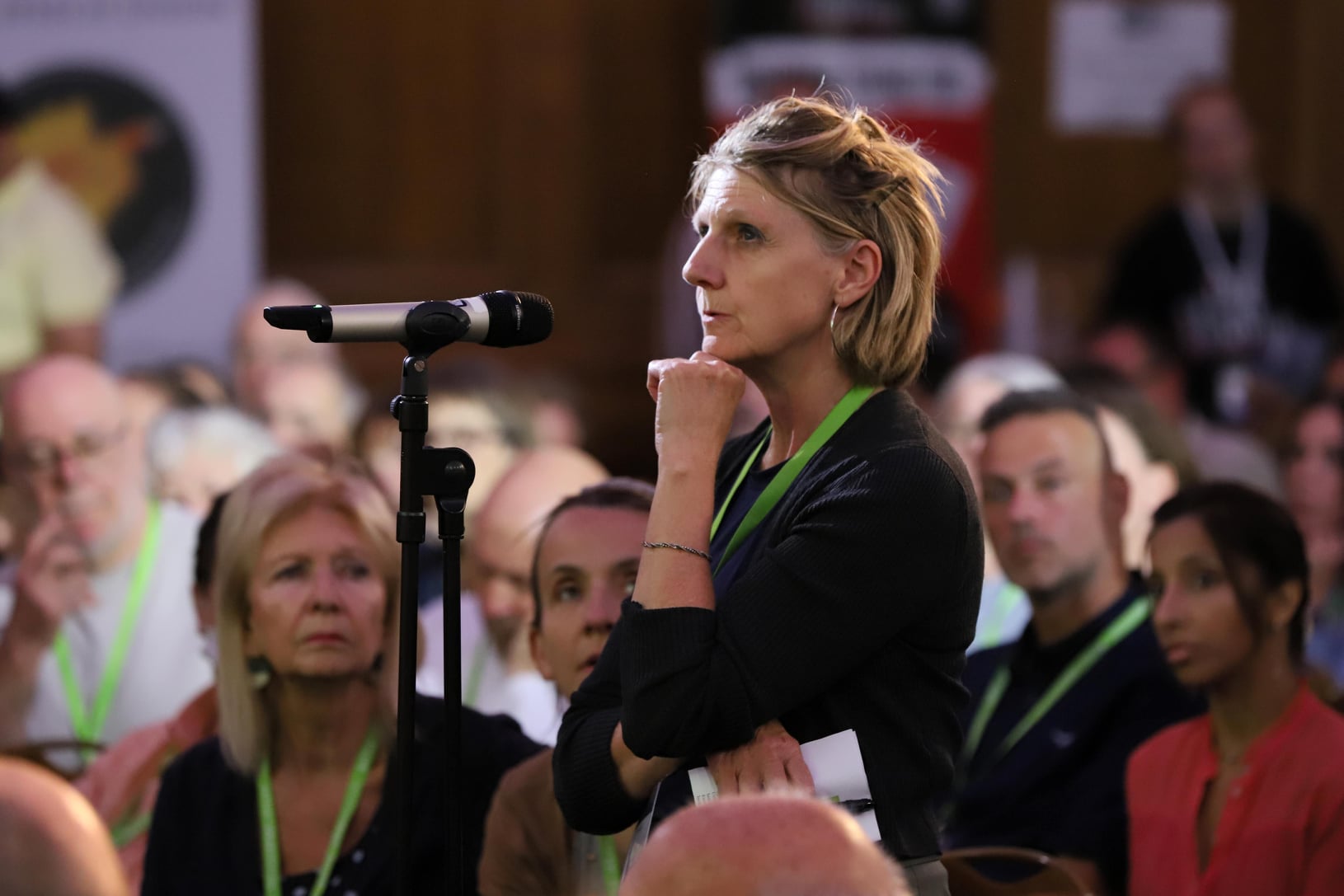
Not everyone can sit through two full days at Church House—and even those who do miss parallel rooms. Catching up online is therefore part of modern Battle of Ideas literacy. This guide explains how to use YouTube @battleofideas, Substack speeches and essays from the Academy orbit, and audio archive pages after a weekend ends; why the festival resists becoming a total livestream product; and why the audience remains half the session even when you are watching later on a laptop. Pair it with the media archive, past festivals timeline, the 2026 recap, and the Reading List.
The official video spine
The public video home is the Battle of Ideas YouTube channel. Welcome addresses, keynote cuts, full panels, and trailers appear across seasons. Completeness varies: some weekends are densely uploaded; older eras are patchier; some rooms are never filmed. That unevenness is a feature of a live-first festival, not a bug to conspiracy-theorise.
This wiki embeds real IDs only, at most one per page, mid-article, as click-to-load facades. The player on this page is a sample archive session—use it as practice for how catch-up should feel: full argumentative texture, not a highlight reel. For systematic browsing tips, open the media archive, which also tracks newer 2026 uploads as they land.
Substack and written afterlives
Organisers and speakers often publish post-weekend essays, speech write-ups, and programme reflections on Academy and personal Substacks. Written catch-up is ideal when you want claims you can quote with paragraph context, or when a panel’s best line was never the televised one. Treat Substack as complementary to video: essays can clarify intent; video shows whether the floor bought it.
Claire Fox’s and Academy channels remain first stops for organiser framing after London weekends and satellites. Cross-check dates against the past festivals timeline so you know which venue era you are reading.
Audio collections
Academy audio archive pages list session sound by year—useful on walks, or when camera coverage was thin. Some debates exist in both audio and video; some in one form only. If you are researching a theme—liberty, equality law, empathy ethics—search audio and YouTube, then return to Topics to place what you heard.
Why there is no “watch everything live”
People ask why Battle of Ideas does not livestream every parallel room. Practical answers include production cost, room density, and speaker consent. Philosophical answers matter more for this wiki: the festival is built as conversations for the public, with the public, in public. A total livestream can turn the floor into content labour and the hall into a studio set. Organisers have long preferred selective recording over transforming the weekend into a broadcast schedule.
That choice has trade-offs. Remote followers wait. Some arguments vanish. Clip culture fills gaps with outrage. The remedy is not fake livestream nostalgia—it is disciplined catch-up: full sessions when available, honest about gaps, and a plan to attend live when you can (Festival 2027, How to Attend).
The audience is half the session
Even excellent video underplays corridor fights, bookstall collisions, and the bodily pressure of disagreeing in a packed room. When you catch up online, listen for floor interventions as carefully as for platform stars. Pause when an audience member lands a factual correction. Note when a chair protects a minority view long enough to be heard. That is the culture Getting Started tries to teach first-timers in person.
If you only consume host cuts, you will misunderstand Battle of Ideas as a speaker catalogue. It is an audience sport that sometimes leaves recordings behind.
A practical catch-up route
- Skim the 2026 recap (or the relevant year) for theme clusters you care about.
- Pick two topic pages—e.g. Equality Act or Suicidal Empathy.
- Find matching uploads on YouTube / audio.
- Watch or hear one full panel before any clip compilation.
- Read one Substack or Reading List essay that answers or extends it.
- Log speakers via Speakers Hub so names attach to arguments.
Editorial rules this wiki follows
- No invented video IDs.
- One embed maximum per article.
- Prefer official channel sources.
- Say when coverage is incomplete.
- Link catch-up back to live logistics so archive never pretends to replace attendance.
After you catch up
Turn media into memory, then into preparation. If 2026 reached you only through headphones, use that irritation as a reason to book 2027 early. If you were present for Saturday but missed Sunday clashes, let the archive fill holes without fooling you that you “saw it all.”
Catching up online is how Battle of Ideas stays legible between Octobers. Used well—YouTube spine, Substack prose, audio depth, audience ears still open—it extends the argument without dissolving the live public square that makes the festival worth archiving in the first place.
Frequently Asked Questions
Quick answers drawn from festival programmes and public records.
Where should I watch festival videos?
Start with the official YouTube channel @battleofideas, then use this wiki’s media archive page for orientation.
Why isn’t every session livestreamed?
Production limits matter, but the festival also prioritises live audience culture over becoming a total broadcast studio.
What is Substack useful for after the weekend?
Speech write-ups, organiser reflections, and essays that preserve claims with paragraph context alongside video.
Can online catch-up replace attending?
It helps, but corridor argument and floor pressure are core to the format; media is best as preparation or partial recovery.
How many videos does each wiki page embed?
At most one real YouTube ID, placed mid-article as a click-to-load player.
What should I read with this guide?
Media archive, past festivals timeline, Festival 2026 recap, and the Reading List for deeper essays.