Battle With Ideas YouTube & Audio Archive
How to catch festival debates after the weekend ends—including the 2026 upload wave.
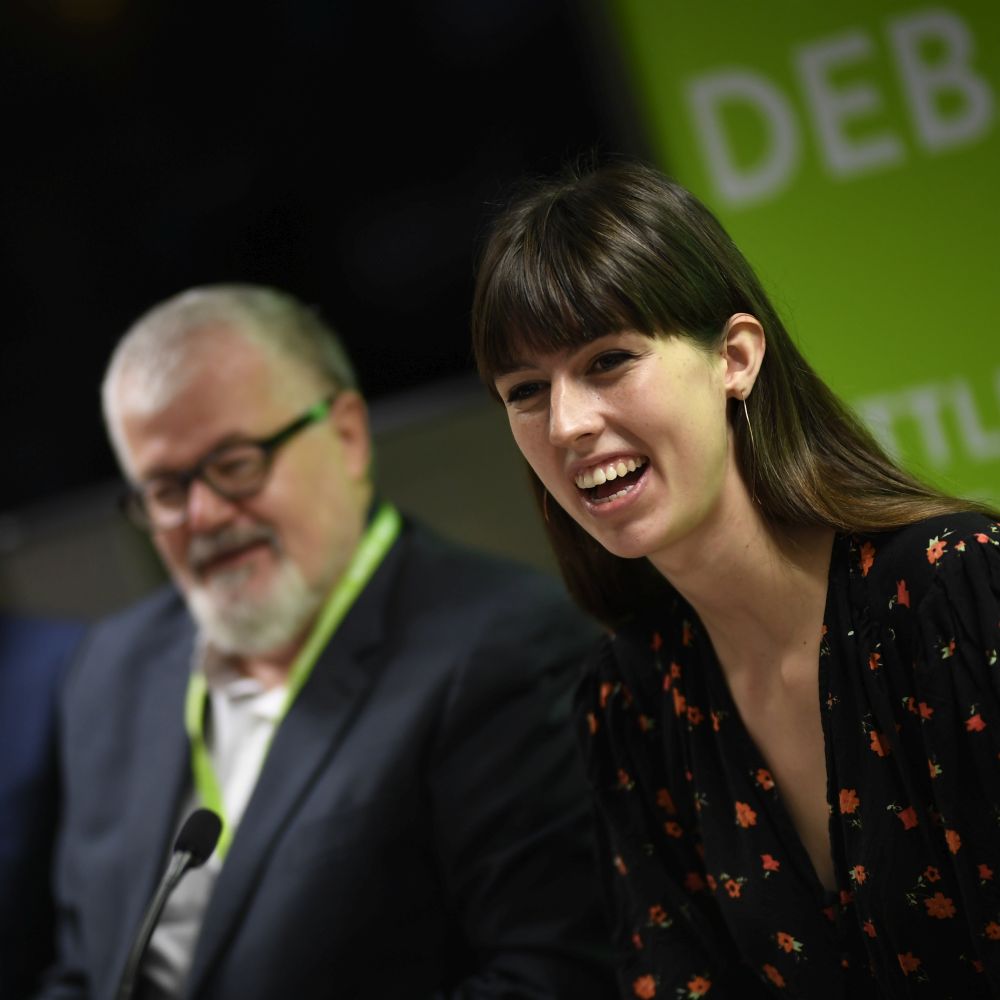
Not everyone can spend a full weekend in Westminster. The good news: Battle of Ideas leaves a growing trail of YouTube and audio recordings. This page explains how to use that media archive well—what the official channels are for, how this wiki embeds videos, how 2026 uploads fit the shelf, and how to connect clips back to themes and speakers.
Pair this guide with the Past Festivals Timeline, the step-by-step Catch up online playbook, and the parent Archive Hub.
Official video: @battleofideas
The festival’s public video home is the Battle of Ideas YouTube channel. Welcome addresses, keynote cuts, full panels, and trailers appear there across seasons. Quality and completeness vary by year—some weekends are densely uploaded; older eras may be patchier—but the channel is the first place to search when you remember a title or a speaker.
2026 continued that pattern after the London weekend of 17–18 October: highlight packages, political keynotes, and strand debates (equality law, empathy ethics, conversion-practices neighbourhoods) landing in waves rather than as a single dump. Expect gaps; do not invent completeness. When you need a disciplined viewing order, use Catch up online instead of algorithmic autoplay.
This wiki only embeds real video IDs assigned from that ecosystem. Generate tooling injects at most one player per page, mid-article, as a click-to-load facade. We do not invent IDs and we do not stack multiple embeds on a single article.
The featured session on this page is a 2026 festival highlight package—useful as atmosphere and as a doorway into fuller panel uploads elsewhere on topic and speaker pages.
Official audio collections
The Academy of Ideas also publishes audio archives by festival year—session audio pages that list speakers and topics for weekends such as 2025 and 2026 at Church House and The Abbey Centre. Audio is ideal when you want the argument without sitting on video, or when a panel was recorded for sound more completely than for camera.
Treat audio pages as complements to YouTube, not rivals. Some debates appear in both forms; some appear in one. If you are researching a theme—say liberty or energy—search both, then return to this wiki’s Topics Hub to place what you heard.
How to watch like a festival-goer
Passive bingeing misses the point. Try a deliberate route:
- Pick a theme page—Free Speech & Liberty, Politics & Culture, Economy & Energy, or newer strand pages such as Equality Act.
- Note two or three speakers from the Speakers Hub, including Claire Fox, Danny Kruger, and the convenors.
- Find matching uploads on YouTube or audio listings.
- Watch one full panel, not only highlights, so you hear floor interventions.
- Cross-check dates on the past festivals timeline so you know which venue era you are hearing.
That method turns media into study rather than noise.
What recordings cannot replace
Even excellent video misses corridor arguments, bookstall collisions, and the bodily fact of disagreeing in a packed room. Organisers stress “conversations for the public, with the public, in public” for a reason. If you can attend London 23–24 October 2027 at Church House—or satellites such as Berlin 28 November 2026 at EFG Tempelhof—use media as preparation, not substitution. Getting Started, Festival 2027, and Codes cover live logistics and offers.
Editorial notes for this wiki
- One YouTube embed maximum per page.
- IDs must be real; placeholders are forbidden.
- Media pages should deepen understanding of the festival’s free-speech practice, not farm watch-time.
- When uploads lag, say so; do not invent completeness.
- Link catch-up habits to Catch up online so archive literacy stays practical.
Keep the chain of custody clear
Clips circulate stripped of context. Re-anchor them: Who chaired? Which year? Which strand? Was it London, Buxton, North, or Europe? The 20th festival in 2025 and the 21st in 2026—each with organiser claims around 400 speakers, 100+ debates, and 3,000+ attendees—will generate years of rewatching. Archive literacy is how those recordings stay honest.
When you share a session, include the festival year and room theme so listeners can judge the argument in season. Prefer full panels over clipped outrage. If a video title is vague, open the description, note the speakers, and cross-link back to the matching wiki theme before you quote it.
Use this page as your media desk, then step back into topics and people. The Battle continues online—but only if you keep the argument intact.
Frequently Asked Questions
Quick answers drawn from festival programmes and public records.
Where are Battle of Ideas videos hosted?
Primarily on the official YouTube channel @battleofideas, with additional audio collections on Academy of Ideas archive pages.
Does this wiki host the videos?
No. Pages embed official YouTube IDs via a click-to-load player; files remain on YouTube.
Why is there only one video on this page?
Wiki rules allow at most one YouTube embed per article, placed mid-body, using a real ID only.
Are 2026 sessions online yet?
Uploads appear in waves after the October weekend. Check @battleofideas and use the Catch up online guide for a viewing route.
Can recordings replace attending?
They help, but the festival’s design depends on live audience challenge; media is best as preparation or catch-up.
How do I connect a clip to wider context?
Match speakers and themes via Speakers and Topics hubs, and place the year on the Past Festivals timeline.