Battle With Ideas Free Speech & Liberty
The festival’s founding principle—and the debates that keep testing it.
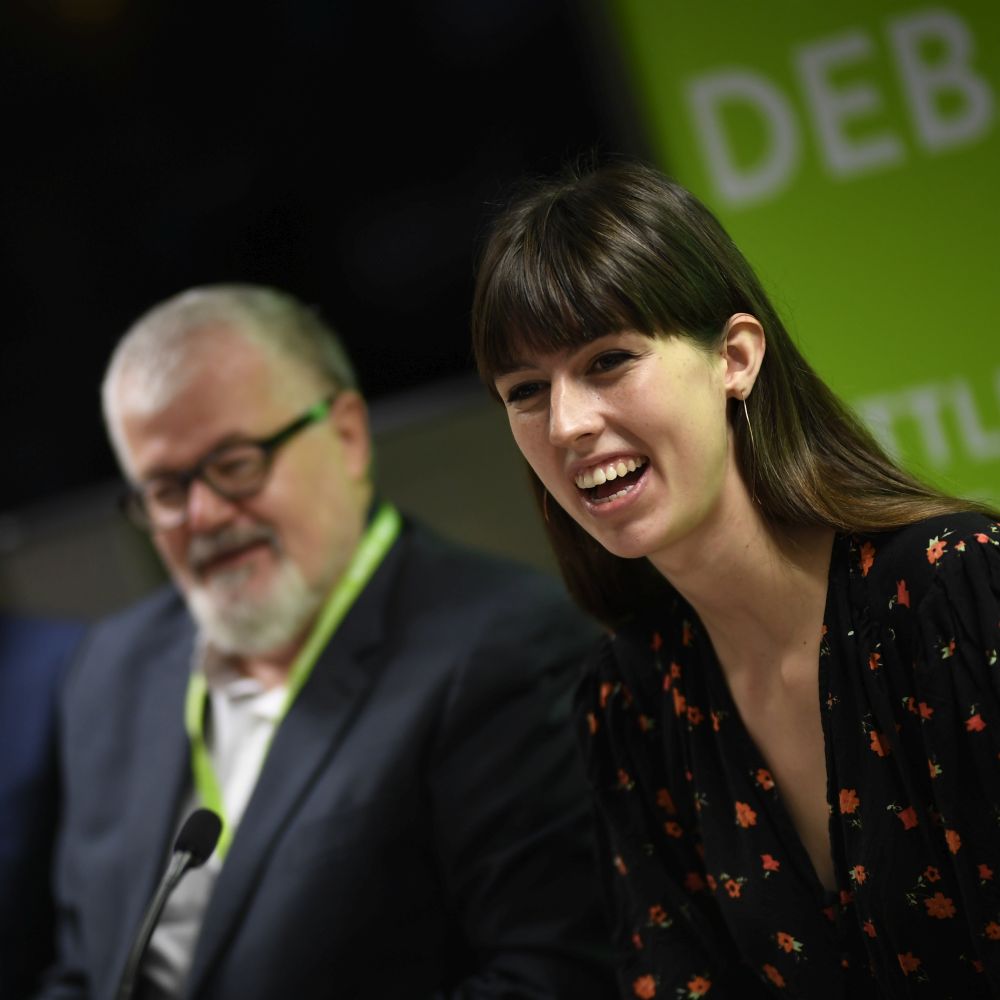
Every Battle of Ideas weekend opens under the same banner: FREE SPEECH ALLOWED. That is not a soft invitation to polite disagreement. It is a hard rule for rooms where speakers and audience members say things that would be managed, muted, or punished elsewhere. This page maps the liberty strand—how the festival treats speech as a public practice—and how it connects to wider Academy of Ideas work such as Letters on Liberty and Debating Matters.
Return to the Topics Hub for the full theme map, or jump to Politics & Culture and Economy & Energy when liberty questions spill into institutions and living costs.
Why liberty is the spine of the festival
Claire Fox founded the festival in 2005 because she judged that British public life was closing down argument just when argument was most needed. Two decades on, the 2025 festival—the 20th—still centres open exchange: roughly 400 speakers across 100+ debates before 3,000+ attendees at Church House and The Abbey Centre. Co-convenors Alastair Donald and Ella Whelan keep programming rooms where dissent is expected, not apologised for.
Liberty topics usually cluster around four pressures. First, institutions—universities, employers, regulators, and professional bodies that treat contested speech as a risk. Second, law and policing—hate-speech enforcement, protest rules, and the gap between what statutes allow and what managers enforce. Third, culture—comedy, literature, journalism, and the social cost of saying the unpopular thing. Fourth, Europe—comparisons with continental speech climates and networks that try to rebuild a public culture of argument.
Campus, workplace, and the HR state
Campus panels ask whether heckling, no-platforming, and “safety” frameworks have replaced adult disagreement. Workplace panels ask the same of HR departments and equality policies that turn contested politics into disciplinary processes. The mid-article video on this page captures a 2025 Battle of Ideas exchange with Paul Embery on HR ideology—useful context if you want a concrete example of how managerial culture meets free-speech claims.
Those sessions matter because they refuse the false choice between “anything goes” and “protect everyone from offence.” Festival chairs push speakers to defend limits when they propose them, and to defend openness when they demand it. Audience interventions are part of the show; the point is to practise disagreement in public, not to stage a monologue with applause cues.
Online speech, protest, and democratic nerves
Digital regulation debates ask who sets the rules for platforms, what “harm” means in practice, and whether democratic societies can survive if controversial speech is treated as a security problem. Protest debates ask when disruption is political speech and when it becomes coercion. Neither theme is resolved by a slogan. Liberty panels at Battle of Ideas typically pair civil-liberties advocates with people who want tighter rules—then leave the audience to press both sides.
If you are new to the festival, pair this page with Getting Started and the Claire Fox profile. Fox’s own writing on offence and free speech sits behind the festival’s tone: argument first, managed consensus last. For ticket offers and associate routes when published, see Codes. For programme shifts ahead of London 17–18 October 2026, watch Updates.
Liberty beyond the London weekend
The Academy of Ideas does not treat free speech as a two-day hobby. Letters on Liberty pamphlets are written to be argued over in pubs as much as in parliament. Debating Matters trains sixth-formers to contest ideas under pressure. Satellite festivals—from Buxton and Battle of Ideas North to Berlin on 28 November 2026 at EFG Tempelhof—export the same motto. Alastair Donald’s work on a European Free Speech Network sits in that same family: collaborative defence of open public culture across borders.
How to keep exploring
Use the Speakers Hub to find chairs and panellists who recur on liberty themes. Use the Archive Hub and media archive to watch past sessions on the @battleofideas channel. Read the past festivals timeline to see how speech fights moved from the Royal College of Art years through the Barbican era, the 2020 Covid cancellation, and the Church House return from 2021. Liberty is not a side stage at Battle of Ideas—it is the reason the festival exists.
Frequently Asked Questions
Quick answers drawn from festival programmes and public records.
What does FREE SPEECH ALLOWED mean at the festival?
It is the operating rule: speakers and audience members are expected to argue openly, including on topics treated as off-limits elsewhere.
Which liberty topics recur most often?
Campus speech, workplace HR rules, online regulation, protest and policing, comedy and culture, plus European comparisons.
Who organises the free-speech focus?
Claire Fox founded the festival; co-convenors Alastair Donald and Ella Whelan programme current weekends under the Academy of Ideas.
Where can I watch liberty sessions after the weekend?
Check the media archive page and the Battle of Ideas YouTube channel @battleofideas for uploaded debates.
How does this relate to Letters on Liberty?
Letters on Liberty are Academy of Ideas pamphlets designed for public argument; many authors also appear on festival panels.