Battle With Ideas Should We Scrap the Equality Act?
Battle of Ideas 2026 panel — law, liberty, and institutional power under Claire Fox’s chair.
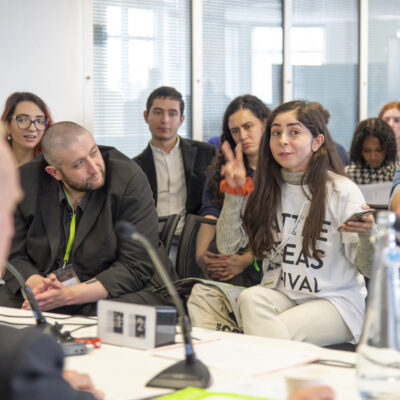
Should we scrap the Equality Act? was one of the sharpest law-and-liberty collisions at Battle of Ideas 2026. Chaired by Claire Fox, the panel brought Shahrar Ali, Laila Cunningham, Jon Holbrook, Dennis Kavanagh, and Alka Sehgal Cuthbert into a Church House room to argue whether the UK’s equality framework protects people fairly—or whether it has become a machinery of compelled speech, bureaucratic expansion, and contested rights hierarchies. This topic page explains what the session was for, how to watch it, and how it links to Free Speech & Liberty, Politics & Culture, the free-speech guide, and the 2026 festival recap.
Why the Equality Act belongs on a festival stage
The Equality Act 2010 sits at the junction of anti-discrimination law, public-sector duties, workplace regulation, and culture-war flashpoints over sex, belief, race, and disability. Supporters treat it as unfinished civil-rights infrastructure. Critics argue that its interpretation—through guidance, HR departments, regulators, and courts—now polices belief and free expression beyond what Parliament openly debated. Battle of Ideas does not settle that quarrel by decree. It stages it in public, with a chair who pushes for definitions, and a floor that can demand examples.
That method matters more than any single panellist’s conclusion. Law panels fail when they become slogan exchanges. They work when speakers must say what they would repeal, replace, or defend clause by clause—and when audience members who live under HR codes can testify without being sneered off.
Who was on the platform
Public billing for the 2026 session listed:
- Shahrar Ali
- Laila Cunningham
- Jon Holbrook
- Dennis Kavanagh
- Alka Sehgal Cuthbert
- Chair: Claire Fox
The mix spans legal practice, political campaigning, and cultural commentary—typical Academy casting for a topic that is simultaneously technical and moral. Viewers should judge arguments, not tribal badges. If you need neighbouring institutional fights, read Politics & Culture; if you need the speech rulebook, read Free Speech & Liberty.
How to watch and what to listen for
The full debate embed on this page is the primary catch-up route. Mid-article placement matches wiki rules: one real YouTube ID, click-to-load, no stacked players. While watching, track:
- Definitions — Do speakers mean scrap the whole Act, amend protected characteristics, or curb guidance culture?
- Evidence — Workplace cases, school policies, policing of belief, or statistical claims about outcomes.
- Trade-offs — Which harms they accept if the law shrinks or grows.
- Floor interventions — Audience challenges often expose ambiguities the platform skipped.
Afterward, place the session on the 2026 recap timeline and store it beside conversion-practices and women’s-rights arguments documented in Guides where legislative speech fights overlap.
Links to wider 2026 strands
Equality law debates rarely stay inside one room. They spill into:
- Belief and expression — Can protected belief survive workplace orthodoxy?
- Sex and gender — How categories are defined for services and sports.
- Race and religion — Whether hierarchies of victimhood distort equal treatment.
- Institutional power — Regulators, NGOs, and “the Blob” critiques heard elsewhere with figures such as Danny Kruger.
Use internal links deliberately. The festival’s intellectual journey metaphor is accurate: you leave an Equality Act panel and walk into a media trust or suicidal-empathy ethics session that reframes what “harm” means. Topic pages on this wiki exist to make those corridors navigable after the fact.
For attendees and later viewers
If you were in the room, note which claims you still cannot answer—then read primary statute summaries and case commentary rather than only social-media recaps. If you were not, prefer the full upload over outrage clips. When you share the debate, include year (2026), chair (Claire Fox), and panel names so listeners can judge context.
First-timers eyeing 2027 should not assume the same title returns; they should assume the method returns. Prepare with Debate Prep, skim Getting Started, and buy early-bird access via Festival 2027 if you want the next live version of this collision.
Keep the argument honest
“Scrap the Equality Act” is a maximal prompt designed to force clarity. Some speakers defend radical repeal; others defend reform; others defend the status quo against caricature. The wiki’s job is to name the session, the people, the chair, and the neighbouring themes—not to launder a verdict. Watch the debate, read the liberty and politics hubs, and return to primary law before you claim victory on the internet.
The Equality Act panel at Battle 2026 was a stress test of whether Britain can still argue about foundational statute in public. Under Fox’s chair, with Ali, Cunningham, Holbrook, Kavanagh, and Sehgal Cuthbert on the platform, the festival kept that test open—and this page keeps the route back to it clear.
Frequently Asked Questions
Quick answers drawn from festival programmes and public records.
What was the Equality Act session at Battle 2026?
A Church House panel titled around whether to scrap the Equality Act, chaired by Claire Fox with five billed speakers.
Who spoke?
Shahrar Ali, Laila Cunningham, Jon Holbrook, Dennis Kavanagh, and Alka Sehgal Cuthbert, with Claire Fox chairing.
Where can I watch it?
Use the YouTube embed on this page (official festival upload) and prefer the full debate over short clips.
How does this relate to free speech?
Much of the dispute concerns belief, expression, and institutional enforcement—see Free Speech & Liberty and the free-speech guide.
Is this wiki calling for repeal?
No. Topic pages document festival debates; they do not issue legislative recommendations.
What should I read next?
Politics & Culture, Free Speech & Liberty, Festival 2026 recap, and related guides such as Conversion Practices.