Battle With Ideas First-Timer Guide to the Battle of Ideas
How to pick sessions, survive the timetable, and leave Church House sharper than you arrived.
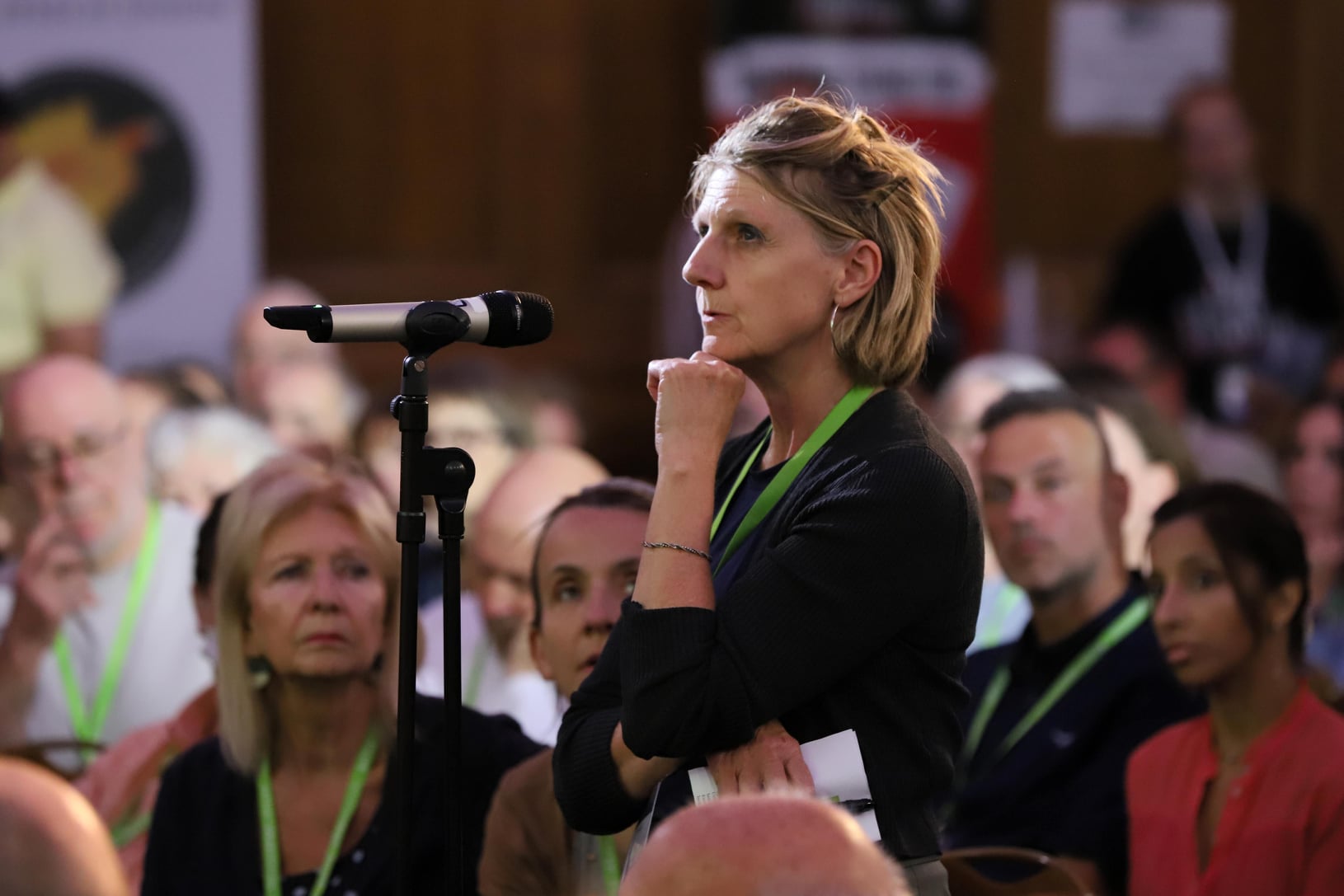
Your first Battle of Ideas can feel like arriving mid-conversation in a very large, very opinionated living room. That is by design. Since 2005 the Academy of Ideas has built a weekend where the audience is not decoration. This First-Timer Guide turns that theory into a checklist so you spend energy on arguments, not on getting lost between Church House and the Abbey Centre. Read it beside How to Attend and What Is Battle of Ideas.
Decide what “success” means
Success is not attending thirty sessions. Success is leaving with two or three clarified disagreements, one unexpected ally, and at least one question you asked out loud. Write that definition on your phone before you travel. When FOMO hits on Saturday afternoon — and it will, with 100+ debates in a heavy year — your definition is the filter.
Before you buy
- Confirm dates: 2025 ran 18–19 October; 2026 London is 17–18 October at Church House (Abbey Centre on Saturday). Berlin’s satellite is 28 November 2026 at EFG Tempelhof — see Berlin 2026 Satellite if that is your first touch.
- Buy via official Eventbrite links from battleofideas.org.uk. Note student or concession tiers if you qualify (Tickets & Venue).
- Skim the motto pages — especially the FREE SPEECH ALLOWED Guide — so contested speech does not surprise you.
- Tell one friend who disagrees with you that you are going; invite them if you can. Mixed company is the point.
What to pack
- Comfortable shoes (Deans Yard stone and long standing queues).
- Layered clothing for variable hall temperatures.
- Reusable water bottle and light snacks; food nearby is busy at peak.
- Notebook or note app; Wi-Fi is helpful but not something to depend on during a heated floor exchange.
- Portable battery; timetables and maps live on your phone.
- Student or concession ID if your ticket type requires it.
- An open mind that still has standards — curiosity without becoming a void.
How to choose sessions
Print or screenshot the grid the night before. Highlight a morning theme and an afternoon theme (for example: education + geopolitics, or science + culture). Leave at least one blank slot for a spontaneous pick when a hallway conversation points you somewhere new. Avoid stacking the largest halls back-to-back without a buffer; security and movement between Church House and Abbey Centre eat minutes. If a room is full, go to your second choice immediately rather than hovering bitterly at the door.
In the room
Arrive a few minutes early. Sit where you can see the chair and the floor mic. Listen to opening frames — chairs often explain timing for audience contributions. When you take the floor:
- State your point in one sentence first.
- Add one piece of evidence or experience.
- Ask a question the panel can actually answer.
- Stop talking.
Long speeches from the floor punish everyone behind you. Sharpen the craft further with How to Debate Better.
People, not just panels
Some of the best first-timer value happens between sessions: teachers comparing notes, students testing ideas they cannot air at school, campaigners meeting opponents in person. Introduce yourself with what you are curious about, not with a brand. Follow the @battleofideas archive later to revisit panels you only half-heard. Letters on Liberty and Academy / Claire Fox Substack pieces can extend a thread that started in Deans Yard.
Etiquette that protects the weekend
The banner says FREE SPEECH ALLOWED and FREE THINKERS WELCOME. That means you may hear claims you find wrong or offensive. Your job is to answer them — not to shut the room down. Abuse, harassment, and bad-faith disruption are still out of bounds; challenge aimed at ideas is in bounds. If you are unsure where the line sits, watch how experienced chairs handle heat, and read the culture guide linked above.
Students and school groups
If this is a school trip, agree a meeting point, a phone tree, and a rule for splitting across parallel sessions. Brief students on floor etiquette before arrival. Debating Matters alumni often feel at home quickly; others need permission to be brave. Teachers should model short, civil challenge from the floor when appropriate.
If you only have one day
Day tickets (when offered) or satellite Saturdays such as Berlin force triage. Pick one big morning debate, one mid-afternoon panel outside your comfort zone, and one early-evening conversation you will not abandon for a marginal upgrade. Quality beats completionism.
Aftercare
Within forty-eight hours, write five lines: what surprised you, what you still reject, whom you want to read next, whether you would volunteer, and which friend you will bring next year. That short debrief turns a blur into a practice. If you want to work the next edition rather than only attend it, continue to How to Volunteer.
Quick links from this guide
- Guides Hub — all skill pages
- Festival Hub — dates, satellites, overview
- How to Attend — day-of logistics
- Tickets & Venue — Church House and tiers
Show up on time, pick fewer sessions, ask better questions. That is the first-timer advantage — and it is how you help keep the Battle of Ideas a festival of free thinkers rather than a content dump with lanyards.
Frequently Asked Questions
Quick answers drawn from festival programmes and public records.
How many sessions should a first-timer attend?
Far fewer than the grid allows. Choose a morning theme and an afternoon theme, leave one flexible slot, and prioritise depth over covering the catalogue.
What should I bring to Church House?
Comfortable shoes, layers, water, a notebook or note app, a charged phone with battery pack, and any ID required for student or concession tickets.
Is it okay to disagree publicly with speakers?
Yes — brief, civil challenge from the floor is part of the design. Aim at arguments, respect the chair’s timing, and leave room for others.
What if my first-choice room is full?
Go straight to your second choice. Hovering at the door wastes time and increases FOMO; the weekend rewards decisive moves.
Should I start with London or a satellite?
Either works. London is the densest weekend; Berlin 2026 is a single bilingual Saturday. Match the format to your travel and language comfort.