Battle With Ideas Politics & Culture
Parties, institutions, media, and the culture fights that fill Church House rooms.
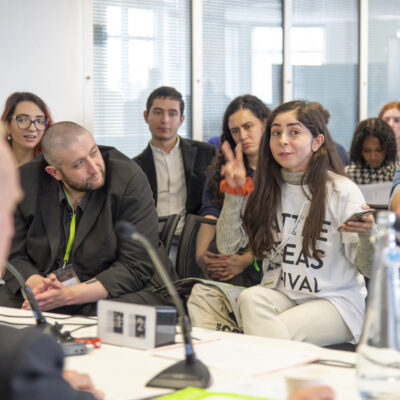
If free speech is the festival’s rulebook, politics and culture are where most of the weekend’s heat lands. Battle of Ideas programmes pack Church House with arguments about parties and “the Blob,” immigration and belonging, media trust, faith and secularism, sex and gender, education, and the stories Britain tells about itself. This page surveys that strand and points you toward speakers, archives, and neighbouring themes.
Browse the wider map on the Topics Hub. Pair culture fights with Free Speech & Liberty when the issue is who may speak, with Economy & Energy when culture meets bills and industrial decline, and with newer strand pages such as Should we scrap the Equality Act? and Suicidal Empathy when law or ethics sharpen the fight.
Public politics without a party line
The festival is not a party conference. Panels routinely mix MPs, peers, journalists, academics, and campaigners who would never share a stage on a hustings card. That mix is the point: Claire Fox and co-convenors Alastair Donald and Ella Whelan—see also Ella Whelan’s profile—programme conversations for the public, with the public, in public. Audience questions are not decorative; they often redirect a session more sharply than the opening speeches.
Political themes in recent programmes have included the health of democracy, populism, whether Reform and other insurgents can govern, the power of permanent institutions, and scandals that exposed failures of accountability. At Battle of Ideas 2026, Danny Kruger embodied that strand in keynotes on Reform, ruling, and Taking on The Blob. Culture themes cover everything from children’s literature and parenting to religious revival, comedy, and the long gender and sex disputes that British public life still cannot settle quietly.
Institutions, media, and trust
A recurring Battle of Ideas question is whether Britain’s institutions still command consent. Sessions on the civil service, universities, policing, the BBC, and regulatory bodies ask who sets the narrative and who gets locked out. Media panels ask whether bias is structural, accidental, or overstated—and what audiences should do when they no longer trust gatekeepers.
The embedded Finally Trumped debate on this page is a useful entry into contemporary political argument as it appears at the festival—transatlantic leadership, democratic legitimacy, and culture-war spillover. Watch it mid-read, then return to the Speakers Hub for related profiles and to Updates for London notes spanning the 2026 recap and 2027 tickets.
Culture wars without caricature
“Culture war” is a lazy label if it means only online shouting. At Battle of Ideas, culture sessions are concrete: who parents children and how; what schools teach; whether women’s spaces and sports categories can be defended; how faith returns in a secular public square; whether national stories about empire, class, and belonging can be discussed without ritual apology. Chairs push for clarity. Speakers who want new norms are asked to justify them; speakers who defend older norms are asked what they would conserve and why.
That style frustrates people who want a rally. It rewards people who want an argument. If you are attending for the first time, read Getting Started so you know how to move between rooms, when to intervene, and how ticket types work. When promotional codes or associate discounts are live, they appear under Codes.
From Westminster to satellites
Politics and culture debates do not stop at Great Smith Street. Buxton and Battle of Ideas North take the same method into regional venues. European satellites—including Berlin on 28 November 2026 at EFG Tempelhof—test whether contested topics travel across languages and national contexts. The Academy of Ideas also feeds the strand through pamphlets, forums, and media work year-round.
Keep going
For historical context—Royal College of Art beginnings in 2005, Barbican years, the 2020 Covid gap, and the Church House era from 2021—use the past festivals timeline. For recordings, use the media archive, Catch up online, and @battleofideas on YouTube. Politics and culture at this festival are not a side dish to liberty; they are where liberty gets stress-tested in public.
Frequently Asked Questions
Quick answers drawn from festival programmes and public records.
Is Battle of Ideas aligned with one political party?
No. Panels mix voices across parties and none; the organisers programme disagreement rather than a manifesto.
What culture topics appear most often?
Media trust, immigration and integration, faith and secularism, sex and gender, education, parenting, and national identity debates.
How do politics sessions involve the audience?
After short platform contributions, chairs open the floor; audience interventions are central to the festival format.
Where can I find related speakers?
Start with the Speakers Hub, Claire Fox, Danny Kruger, Ella Whelan, and the Convenors & Team page, then follow session archives.
When is the next London politics-heavy weekend?
London 2027 is scheduled for 23–24 October at Church House; 2026 has already taken place—see the Festival 2026 recap and Festival 2027 pages.