Battle With Ideas How to Debate Better
Floor craft for a FREE SPEECH ALLOWED room — clarity, steel-manning, and disagreement without contempt.
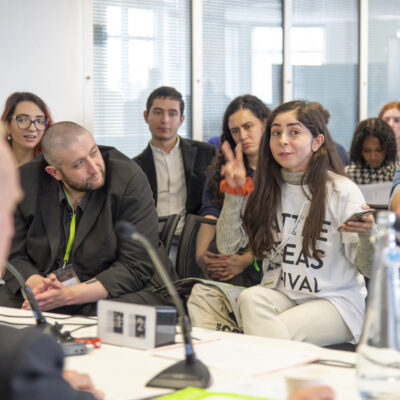
The Battle of Ideas only works if the people in the hall can argue. Speakers set terms; chairs keep time; but the festival’s boast — that the audience is the festival — rises or falls on floor craft. This guide is a practical manual for debating better at Church House, at satellites such as Berlin 2026, and in the arguments you take home afterward. Pair it with the FREE SPEECH ALLOWED Guide and How to Attend.
What “better” means here
Better does not mean louder, snarkier, or more certain. Better means:
- Your claim is intelligible in one breath.
- Your evidence is checkable.
- You can restate the other side fairly before you cut it.
- You leave the other person able to reply.
- The room learns something even if nobody “wins.”
That standard fits a weekend founded in 2005 to put contested ideas on stage rather than manage them out of sight. It also fits Claire Fox’s long public insistence — on air, in print, and in the Lords — that offence is not a veto.
Listen like a researcher
Most weak floor contributions fail before the first word: the speaker never heard the panel’s actual claim. Take notes in two columns — said and assumed. Challenge the said. Park the assumed until you confirm it. If you joined late, do not demand a recap from the mic; ask a neighbour quietly or wait for the next session. Listening is not passivity; it is how you avoid shadow-boxing.
Structure a ninety-second contribution
When the chair opens the floor, aim for ninety seconds or less:
- Signal — “Short challenge on the claim that…”
- Steel-man — “As I heard it, you argued that…”
- Pivot — “My disagreement is…”
- Evidence — one fact, one example, or one precise question.
- Stop — hand back to the chair.
Resist the autobiography dump unless your experience is the evidence. Resist the laundry list of five unrelated grievances. One clean cut beats a spray of complaints.
Steel-manning without surrender
Steel-manning means stating the strongest version of the other side before you attack it. It is not agreement. It is intellectual hygiene. At the Battle of Ideas you will hear positions you find wrong on migration, speech, gender, war, schooling, markets, or climate. If you cannot phrase those positions so an advocate would recognise them, you are not ready to refute them. The audience will notice. So will the panel.
Contempt is a tell
Contempt — eye-rolls, motive-smearing, “anyone who thinks X is simply…” — is popular online and poisonous in a shared room. It invites reciprocal contempt and teaches newcomers that performance beats reasons. Disagree hard on substance. Keep the person eligible for a drink in the foyer afterward. That is not softness; it is how a FREE THINKERS WELCOME culture survives contact with real conflict. More on the motto’s demands sits in the free-speech guide linked above.
Questions versus speeches
Chairs love questions that unlock a clearer answer. They dread speeches disguised as questions. Prefer:
- “What evidence would make you change your mind?”
- “How does your claim handle this counter-example?”
- “Who bears the cost if you are wrong?”
Avoid:
- “Why are people like you always…?”
- Multi-part traps that cannot be answered in the time left.
- Demands that the panel affirm your identity before addressing your point.
Panel, floor, and hallway
Different spaces need different tools. On a panel, answer the question asked. On the floor, be brief. In the hallway, you can go longer — and that is often where first-timers learn most. The First-Timer Guide explains how to budget time for those conversations without abandoning the grid.
Bilingual and satellite rooms
In Berlin’s English–German format, clarity matters even more. Speak slower, avoid slang that will not translate, and do not punish a speaker for choosing the other language mid-panel. The method — contested claims, open challenge — is the same as London; only the linguistic load changes. See Berlin 2026 Satellite for venue and ticket context.
Practise between festivals
Watch archived debates on @battleofideas, pause after each floor contribution, and rewrite it cleaner. Read Letters on Liberty pamphlets and Academy of Ideas essays. Sixth-formers can train through Debating Matters. Adults can run a monthly disagreement club with friends who do not already vote like them. Skill decays; the autumn weekend should not be your only gym.
When you are wrong
Say so. Update. Thank the person who caught you. Nothing builds credibility faster in a sceptical room. The Battle of Ideas is not a court where confession is defeat; it is a civic workshop where revision is progress. If that ethic feels alien, re-read What Is Battle of Ideas and ask whether you came to perform or to think.
Link the craft to the weekend’s logistics
Good debate still needs a seat and a ticket. Sort Tickets & Venue, arrive via How to Attend, and browse the Guides Hub and Festival Hub so your best argument does not die in a queue. If you want to support the rooms that make floor debate possible, continue to How to Volunteer.
Argue to illuminate. Leave the other side standing. That is how you debate better — and how you honour two decades of FREE SPEECH ALLOWED weekends.
Frequently Asked Questions
Quick answers drawn from festival programmes and public records.
How long should a floor contribution be?
Aim for about ninety seconds: signal, steel-man, pivot, one piece of evidence or a precise question, then stop.
What is steel-manning?
Stating the strongest fair version of the other side before you criticise it. It improves your refutation and the room’s trust in you.
Is emotional language banned?
No — but contempt and motive-smearing usually backfire. Heat is fine when aimed at claims; humiliation is not the goal.
How can I practise before the festival?
Watch @battleofideas archives and rewrite floor contributions; read Letters on Liberty; for students, Debating Matters is purpose-built training.
Does this advice apply in Berlin’s bilingual sessions?
Yes. Speak clearly, avoid untranslatable slang, and keep contributions short so interpretation and chairs can keep pace.