Battle With Ideas Debate Prep Toolkit
Arrive ready to challenge speakers — and to have your own view challenged.
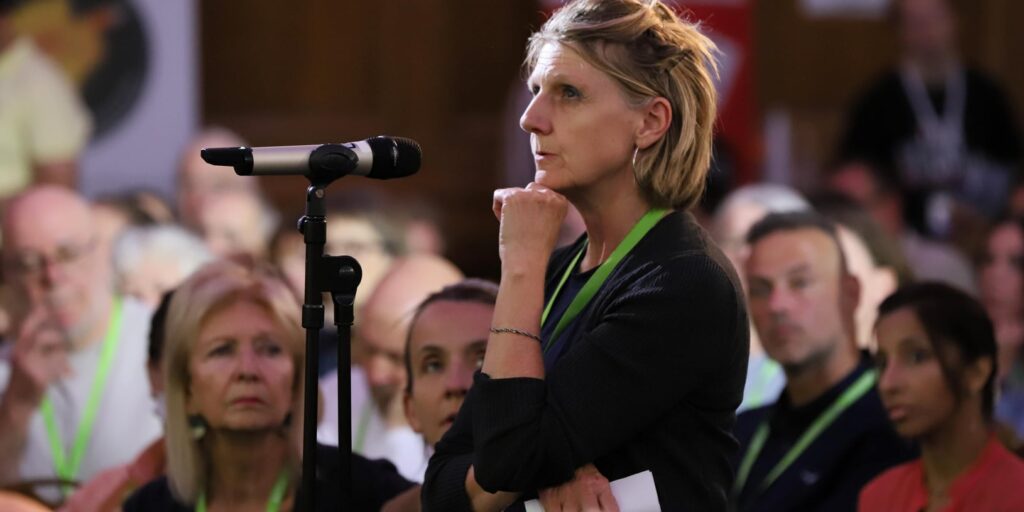
Battle of Ideas rewards people who prepare. Church House weekends pack 100+ debates and hundreds of speakers into two days; satellites in Manchester, Berlin, Paris, and Helsinki compress that energy into a single calendar date. This Debate Prep Toolkit gives you a repeatable method so you can intervene from the floor without rambling, and listen hard enough to change your mind when the better argument wins. Pair it with the Reading List, the News Hub, and official programmes linked from the Links Hub.
Step 1 — Choose a lane, not the whole brochure
Print or save the Saturday/Sunday grid when it drops on battleofideas.org.uk. Highlight at most three priority sessions per day. Battle programmes span free speech, politics, society, economy, energy, and live podcasts; trying to “see everything” guarantees you see nothing deeply. For London 2026 context, read London Festival 2026 News. For non-London dates, use Europe & UK Satellites.
Write one sentence per priority session: What question am I trying to answer by sitting in this room? If you cannot finish that sentence, pick a different panel.
Step 2 — Steel-man two sides before you travel
For each priority session, draft:
- The strongest case for the proposition you expect to hear.
- The strongest case against it.
- One empirical claim that would change your mind if true.
You are not writing a dissertation. Half a page per session is enough. Steal structure from Letters on Liberty pamphlets and essays flagged on the Reading List. Spiked columns and Academy Substack posts often preview the fault lines that later appear on stage. The goal is to walk in already familiar with the best version of the view you dislike.
Step 3 — Craft a thirty-second floor question
Chairs cut long speeches. Practise a question that fits roughly 80–100 words:
- One clause of context (“Given X…”)
- One precise ask (“…how do you reconcile Y without Z?”)
- No autobiography, no multi-part shopping lists, no applause lines
Record yourself once on your phone. If you need a breath mid-sentence, shorten it. Good Battle rooms give the floor real time; they still punish filibusters. Remember the motto — FREE SPEECH ALLOWED — includes other people’s speech. Leave oxygen in the room.
Step 4 — Know the house culture
Academy of Ideas events, shaped over years by Claire Fox and colleagues, expect disagreement without ritual humiliation. You can be sharp. You should not be a heckler who only came to perform contempt. If a speaker concedes part of your point, take the win and sit down. If the chair moves on before you are called, rewrite the question for the next thematically related room instead of sulking in the corridor.
Satellites follow the same culture with local texture: bilingual Berlin rooms, invitation norms in Paris, northern framing in Manchester. Adjust examples; keep the manners.
Step 5 — Build a pocket evidence card
On one index card or phone note, store:
- Two statistics you trust enough to cite (with sources you can name)
- One historical analogy you will not overstretch
- One personal or professional anecdote under fifteen seconds — optional, only if it clarifies rather than centres you
When evidence is thin, say so. Battle audiences respect “I don’t know yet” more than bluff. Tools exist to raise the quality of public argument, not to help anyone fake expertise.
Step 6 — Plan logistics like a stage manager
Prep fails when you miss the session. For London, budget walking time inside Church House and any overflow buildings. For Manchester’s Pendulum Hotel or Berlin’s EFG Tempelhof, check door times and last-mile transport the night before. Eat before dense blocks; hunger makes people either silent or cruel. Keep ticket QR codes offline. Official ticket and venue links live on the Links Hub and the festival site.
Step 7 — Debrief within twenty-four hours
After each priority session, write five lines:
- Best argument I heard that I had not considered
- Weakest argument that still won applause
- What I would ask next time
- One source to read this week
- Whether my prior view moved, and why
That debrief turns a stimulating weekend into cumulative skill. It also feeds future prep: next year’s you will thank this year’s notes. When recordings appear on @battleofideas, compare your memory to the tape and notice what you missed in the room.
Theme-specific prompts
Use these starter prompts when building Step 2 cases:
- Free speech — Which harms justify prior restraint, and who decides?
- Politics — What would count as evidence that a party or law is failing on its own terms?
- Society — Are we diagnosing cultural change or simply moralising a generation we dislike?
- Economy / energy — Trade-offs: who pays, who benefits, over what time horizon?
- Podcast live rooms — Which claim depends on data versus vibe, and can the hosts show their working?
Pull matching essays from the Reading List the evening before those blocks.
Common failure modes
- Arriving with a manifesto and no question
- Citing viral clips you have not checked
- Ignoring satellite-specific language or invitation rules
- Treating the wiki or social media summaries as a substitute for the live programme
- Skipping debrief, then wondering why every festival feels like Groundhog Day
Avoid those, and you will get more from Church House, Pendulum Hotel, EFG Tempelhof, Balderin sali, or Hôtel de Bourrienne alike.
Where to go next
Return to the Tools Hub for the map of prep resources. Check London Festival 2026 News or Europe & UK Satellites for timing. Keep academyofideas.org.uk and battleofideas.org.uk as sources of truth. Then practise the thirty-second question out loud — once — and walk into the room ready for a real battle of ideas.
Frequently Asked Questions
Quick answers drawn from festival programmes and public records.
How many sessions should I prepare deeply?
Aim for two or three priority sessions per festival day. Shallow prep across twenty titles helps less than deep prep on a few.
What length should a floor question be?
Roughly thirty seconds / under about 100 words: one context clause and one precise ask.
Does this toolkit work for satellite events?
Yes. Use the same steps and adjust local context with Europe & UK Satellites.
Where do I find background reading?
See the Reading List for Letters on Liberty, Fox’s book, spiked, and the Academy Substack.
Is this an official Academy handout?
No. It is an independent wiki method. Confirm programmes and rules on official Battle of Ideas pages.