Battle With Ideas Economy & Energy
Growth, industry, welfare, and the energy choices that shape everyday life.
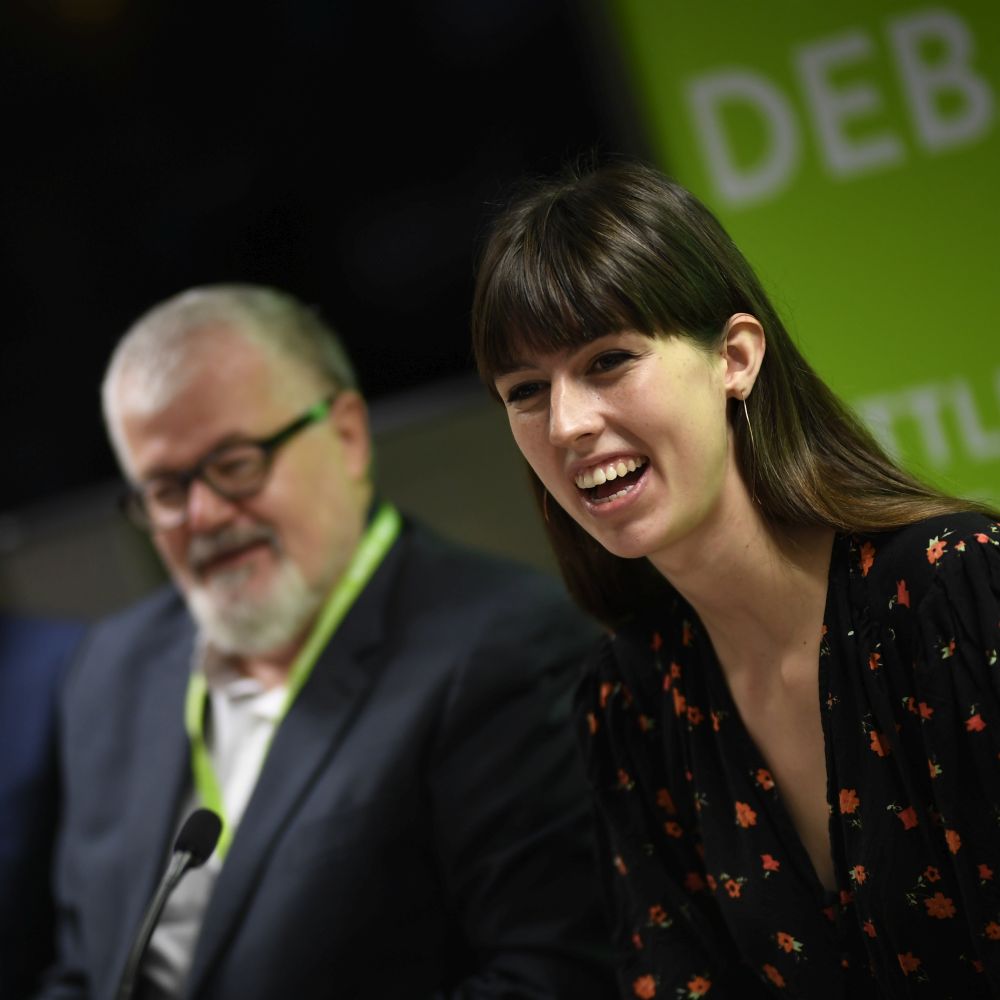
Battle of Ideas weekends are famous for culture and free-speech fireworks, but the economy and energy strand is where abstract politics meets household reality. Panels ask why growth is weak, why bills bite, whether net-zero pathways are credible, what industrial strategy can still mean in Britain, and how welfare and work interact. This page orients you inside that strand and links out to speakers, archives, and the rest of the theme map.
Start from the Topics Hub if you need the overview. Cross-read Politics & Culture when economic failure becomes a legitimacy crisis, and Free Speech & Liberty when policy dissent itself is treated as dangerous.
Why economic argument belongs at a free-speech festival
Open debate is not only about offence and campus codes. It is also about whether citizens may challenge official economic stories—on debt, productivity, immigration’s fiscal effects, climate costs, and the competence of the state. The Academy of Ideas programmes economy rooms with the same rule as every other room: FREE SPEECH ALLOWED. Experts disagree in public; the audience pushes back; nobody pretends a press release settled the matter.
The festival’s scale makes that possible. The 2025 weekend marked twenty years since the 2005 founding at the Royal College of Art, with around 400 speakers, 100+ debates, and 3,000+ attendees across Church House and The Abbey Centre. Economy sessions sit among keynotes and specialist rooms so visitors can move from a macro panel to a sector deep-dive without leaving Westminster.
Growth, industry, and the productive economy
Recurring questions include how Britain rebuilds productive capacity, what role the state should play in steel, rail, and manufacturing, and whether regional strategies are substance or slogan. Panels often pair market liberals with industrial-strategy advocates and fiscal hawks with voices focused on living standards. The point is not to crown a winner in ninety minutes; it is to force trade-offs into the open.
The mid-page video featuring Liam Halligan is a practical way into festival economic argument—watch it, then browse related names via the Speakers Hub and recordings via the media archive.
Energy, climate policy, and household costs
Energy debates ask why bills are high, how reliable supply is secured, and whether net-zero timelines match engineering and political reality. Expect sharp disagreement: some speakers defend rapid decarbonisation as non-negotiable; others call targets economically reckless; still others focus on nuclear, gas transition, or planning reform. Festival chairs typically refuse to let the room collapse into cheerleading. If a claim depends on costs, speakers are pressed on costs. If a claim depends on security of supply, speakers are pressed on blackouts and imports.
These sessions connect immediately to politics. Energy policy is also state capacity, democratic consent, and generational fairness. That is why economy pages on this wiki sit beside Politics & Culture rather than in a silo.
Welfare, work, and the cost of living
Welfare and labour-market panels ask who can work, who is supported, and whether the system traps people. Cost-of-living discussions link wages, housing, tax, and public services. Again, the festival format matters: short platform remarks, then public challenge. If you are attending London on 17–18 October 2026, use Getting Started to plan a route that mixes one economy keynote with one specialist room instead of sprinting only to the loudest culture panels.
Beyond the main weekend
Satellite events—Buxton, Battle of Ideas North, and European days such as Berlin on 28 November 2026 at EFG Tempelhof—often localise economic questions: regional industry, national energy politics, or continental competitiveness. Year-round, Academy of Ideas publishing and forums keep the arguments warm between festivals. For historical context on venues and the 2020 Covid cancellation, read the past festivals timeline. For convenors who build the timetable, see Convenors & Team. Ticket and associate offers, when active, are summarised under Codes.
Economy and energy at Battle of Ideas are not dry add-ons. They are where liberty and culture meet the material conditions of a country arguing about its future.
Frequently Asked Questions
Quick answers drawn from festival programmes and public records.
What economy topics does the festival usually cover?
Growth, industrial strategy, welfare and work, living costs, public finances, and the politics of economic decline or renewal.
Are energy and climate debates one-sided?
No. Programmes typically stage conflicting views on net zero, bills, nuclear, gas, and security of supply under the free-speech rule.
Who should I read next after this page?
Return to the Topics Hub, then check Speakers, Updates for 2026 dates, and the media archive for recorded economy panels.
Does Battle of Ideas discuss regional economies?
Yes—satellite festivals such as Buxton and Battle of Ideas North often emphasise regional industry and place-based questions.
When is the next main London weekend?
London 2026 is set for 17–18 October at Church House; confirm session titles via Updates closer to the date.