Battle With Ideas Following the Conversion Practices Debate
How to watch, question, and contextualise Battle of Ideas 2026 arguments on the Conversion Practices Bill.
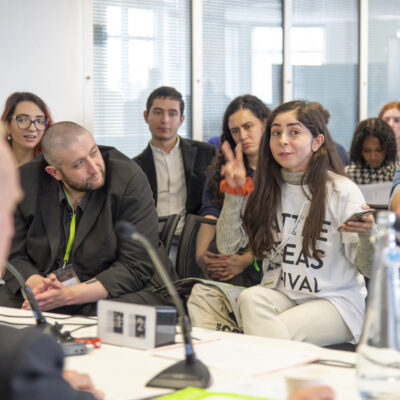
The Conversion Practices Bill debate at Battle of Ideas 2026 sat at the hard edge of law, therapy, parental rights, sexual orientation, gender identity, and free speech. This guide is not a barrister’s brief and not a campaign leaflet. It is a practical map for attendees and later viewers: what the festival session was for, how to engage from the floor without wrecking the room, how related video shorts fit the wider strand, and which wiki pages supply neighbouring context—FREE SPEECH ALLOWED, How to Debate Better, Should we scrap the Equality Act?, and the 2026 festival recap.
What you are walking into
Conversion-practices legislation is framed by supporters as a shield against coercive attempts to change sexual orientation or gender identity. Critics warn that poorly drafted bans chill therapy, pastoral care, parental conversation, and dissent about gender medicine—especially where “conversion” is defined so widely that exploratory talk becomes risky. Battle of Ideas puts that conflict on stage because it is already shaping professional regulators, schools, and criminal-law proposals. The motto FREE SPEECH ALLOWED means both the harm stories and the chilling-effect stories can be told in public.
Helen Joyce and other contributors appear in related festival shorts and panels across the culture-and-law ecosystem. Treat those clips as adjacent context, not as substitutes for the full debate embed on this page. Prefer complete sessions when you form judgments.
How attendees should engage
- Read the prompt — Are speakers debating a specific Bill text, a principle, or enforcement culture?
- Prepare one question — Under thirty seconds; name a concrete scenario (therapist, parent, teacher, clinician).
- Steel-man first — Show you heard the opposing harm claim before you rebut.
- Avoid diagnostic insults — Attack incentives and drafting, not the person at the microphone.
- Accept the chair’s cut-off — Filibusters help nobody in a 75–90 minute room.
How to Debate Better and Debate Prep exist for this craft. The audience is half the festival; that only works if interventions are usable.
Watching after the weekend
The full debate YouTube ID on this page is your primary catch-up object. Mid-article embedding follows wiki rules—one real video, click-to-load. While watching, track:
- Definitions of “conversion practices” used by each speaker
- Distinctions between orientation and gender identity (or refusals to distinguish)
- Evidence cited from other jurisdictions
- Claims about children versus adults
- Floor challenges that force narrower drafting talk
Then store the session beside equality-law arguments on the Equality Act panel page and liberty norms on Free Speech & Liberty. Convenor and culture context—including Ella Whelan’s programming role—helps explain why such rooms appear, without conflating distinct speakers.
Related shorts versus the full debate
Social feeds often circulate Helen Joyce–related shorts from the same thematic neighbourhood. Use them as trailers, not verdicts. Shorts omit rebuttals, chair constraints, and audience pushback. When a short inflames you, open the full debate here, note the year (2026), and decide whether your anger survives contact with the other side’s best point.
Catch up online explains why the festival resists livestream-everything culture and how Substack plus @battleofideas carry the afterlife instead.
Cross-links that keep facts straight
| Need | Go to |
|---|---|
| Speech norms | FREE SPEECH ALLOWED Guide |
| Floor craft | How to Debate Better |
| Equality statute clash | Equality Act panel |
| Weekend context | Festival 2026 recap |
| Next live weekend | Festival 2027 |
Intellectual hygiene checklist
- Quote Bill language or official summaries when you can, not only viral paraphrases.
- Separate clinical evidence disputes from speech-ban disputes.
- Name whether you are talking about adults’ voluntary therapy, minors, or religious teaching.
- Admit uncertainty where data are contested.
- Do not invent attendance outcomes or misattribute speakers.
After you leave the topic
Conversion-practices fights will continue in Parliament, regulators, and clinics whether or not you attend Church House. The festival’s contribution is procedural honesty: put the hardest version of each claim in a room that answers back. Use this guide to enter that room—or its recording—prepared, then return to primary sources before you campaign online.
Battle of Ideas 2026 did not end the Conversion Practices argument. It staged it under lights, with a floor, and with an archive trail. This page exists so wiki readers can follow that trail without confusing clips, people, or statutes.
Frequently Asked Questions
Quick answers drawn from festival programmes and public records.
What is this guide for?
It helps attendees and later viewers follow Conversion Practices Bill debates at Battle of Ideas 2026 without treating the wiki as legal advice.
Is there a full debate video?
Yes. This page embeds one official festival YouTube upload of the debate mid-article.
How should I ask a question from the floor?
Keep it under thirty seconds, use a concrete scenario, steel-man the other side, and accept the chair’s time limits.
How do Helen Joyce shorts relate?
They sit in the same thematic neighbourhood as trailers; prefer the full debate and do not treat shorts as complete arguments.
Which pages give wider context?
Free-speech guide, How to Debate Better, the Equality Act panel page, and the Festival 2026 recap.
Does this wiki take a side on the Bill?
No. Guides explain how to engage the festival debate; they do not lobby for a legislative outcome.